India
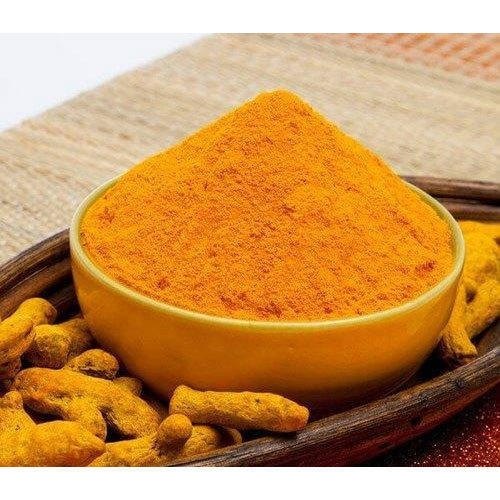
Tumeric is a very common skincare ingredient in India. It is used in religious ceremonies, medicine, and as a cosmetic. An example would be the pre-wedding ritual called Haldi (the turmeric ceremony), where a paste made from turmeric, milk and other ingredients is applied to the bride and groom's face. This ceremony is believed to bring a radiant glow, smooth skin and good luck to the couple.
Benefits
- Anti-inflammatory Properties: Tumeric has powerful anti-inflammatory effects. It can calm redness, swelling, and irritation.
- Antioxidant and Anti-Aging Effects: It helps prevent premature aging, wrinkles, fine lines, and dark spots, giving the skin a youthful and radiant complexion.
- Antibacterial and Antiseptic: Tumeric has antibacterial and antiseptic properties that cleanse the skin and reduce the appearance of pimples, blackheads, and blemishes.
- Brightening and Even Skin Tone: Tumeric is most well-known for its ability to brighten the skin. It evens out skin tone, reduces hyperpigmentation, and removes dark spots and blemishes.
- Healing Wounds and Scars: Tumeric is traditionally used to heal cuts, scrapes and burns, since its healing properties accelerate the recovery process and helps reduce the appearance of scars over time.
used in:
- haldi (turmeric) face masks
- turmeric and honey paste
- turmeric oil
- turmeric soaps
- turmeric scrubs
Greece
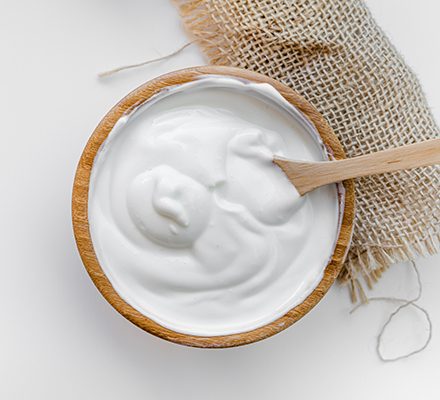
Greek yogurt is different than regular yogurt: It is strained to remove most of its liquid (whey), giving a thick creamy consistency that is richer in protein and nutrients.
Benefits
- Exfoliation: lactic acid helps remove dead skin cells, gently exfoliating your skin to make it soft and smooth
- Hydration: locks the high moisture that comes from the yogurt into skin, leaving skin feeling soft, smooth and hydrated
- Soothing and Anti-Inflammatory: Since Ancient Greece, yogurt was used for soothing sunburns, rashes, or other skin inflammations.
- Brightening: with exfoliation, lactic acid also brightens skin, reduces the appearance of dark spots, and evens out skin tone over time.
- Anti-Aging: The probiotics and high protein content helps improve skin elasticity and firmness, giving your skin a clear and youthful look
often used in face masks, after sun care, spot treatment, exfoliating scrubs, and even hair care
Canada (Indigenous)

Sweetgrass: a plant that hold deep spiritual and medicinal meaning in many indigenous cultures across Canada, particularly among First Nations peoples in northern and prairie regions. It's often used in their smudging ceremonies, and to weave baskets, mats and other crafts. Sweetgrass is used since these plants are seen as beings that can heal, guide, and is considered a way to connect to the spirit world.
its benefits:
- Soothing properties: Its sothing properties help relieve skin irritation and inflammation.
- Sun Protection: The antioxidants help protect skin from harmful UV rays and pollution. As a result, promotes healthier skin, and more radiant skin by preventing oxidative stress.
- Antibacterial properties: has mild antibacterial properties, which help cleanse skin and prevent infections. Useful for skin that's prone to acne or when dealing with cuts and wounds. Some Indigenous communities used sweetgrass-infused water or steam to purify skin and treat minor skin infections.
used in:
- infusions
- oils and balms
- herbal steams
- medicinal paste
- soaps
- lotions
Egypt
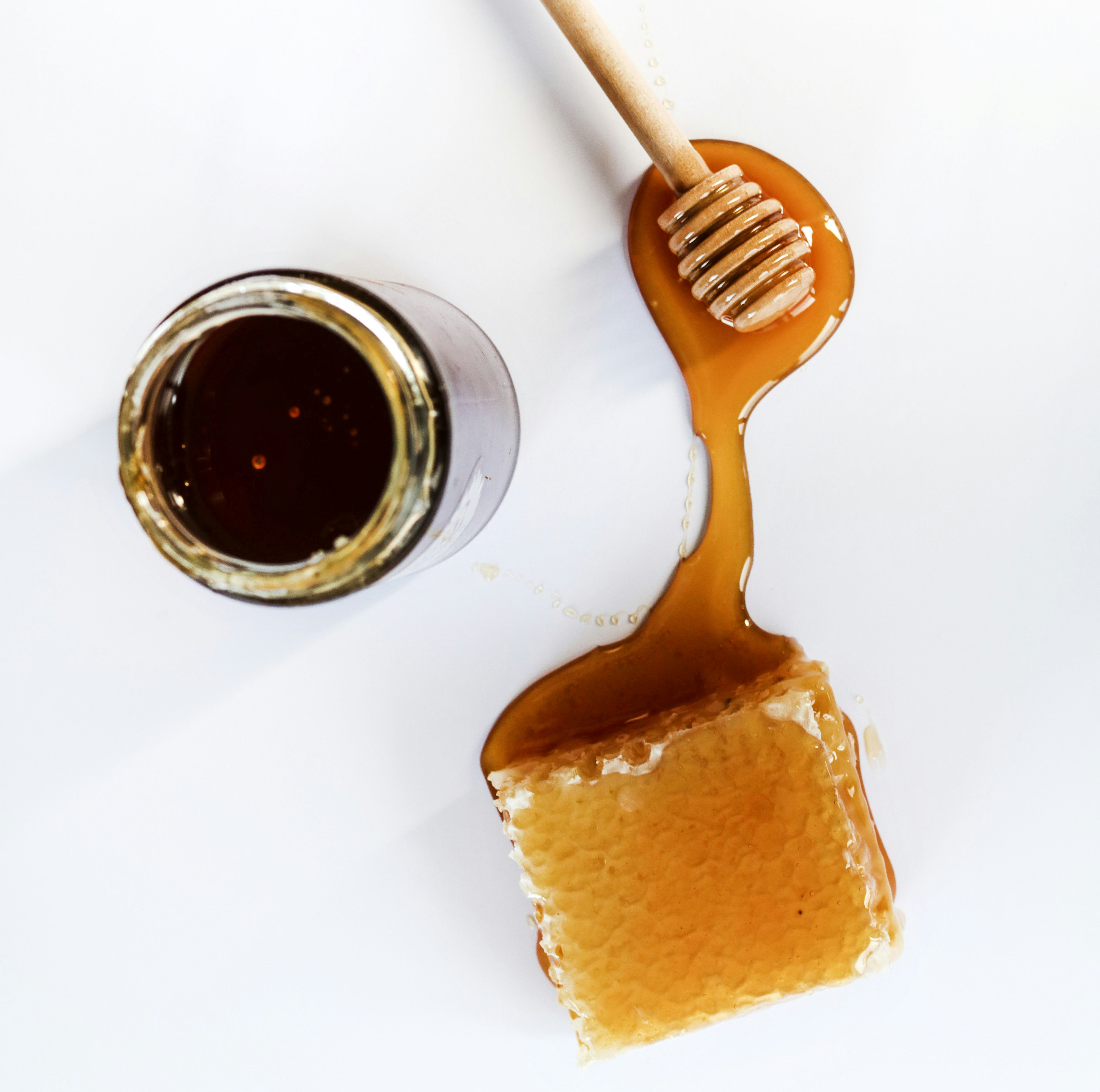
Honey has been used for thousands of years in Egypt.
benefits:
- Antibacterial and Healing Properties: naturally kills harmful bacteria and prevents infections, so it is ideal for wounds, cuts and burns. Ancient Egyptians used honey to help speed up the healing process of skin injuries and to treat acne.
- Moisturizing and Hydrating: naturally draws moisture from the air and locks it into the skin, making it a powerful moisturizer for dehydrated skin. The Egyptians used it to keep their skin soft, smooth, and hydrated, especially with their hot dry climate.
- Exfoliating and Brightening: honey contains enzymes that exfoliate skin. It also has natural acids like gluconic acid, which can brighten skin's complexion and even out skin tone.
- Anti-Aging: rich in antioxidants, which prevent premature aging, reduce wrinkles, fine lines, and age spots, and give a youthful and radiant look.
- Soothing: anti-inflammatory properties that help soothe irritated or inflamed skin (sunburns, rashes, sensitive skin)
how it used to be used in Ancient Egypt:
- Facial Masks and Creams: applied directly to face or body, often mixed with other natural ingredients like milk, olive oil, or aloe vera
- Baths: Egyptian royalty, including Cleopatra, used to use honey in their bath routines. Cleopatra was known to take milk and honey baths to maintain her smooth, youthful skin.
- Exfoliation: mixed honey with salt or sugar to create a gentle exfoliating scrub.
- Wound Healing: Honey was applied topically to cuts, burns, and wounds to speed up the healing process.
how it's used in modern Egypt:
- Honey masks and cleansers
- honey soaps
- honey scrubs
Brazil

Acai is a small fruit that is found in palm trees in the Amazon rainforest. Indigenous peoples of the Amazon have been using these berries for centuries for its nutritional and medicinal properties. In Amazonian culture, acai pulp is often consumed and used in smoothies and bowls. The juice and oil extracted from the acai fruit also can maintain youthful, healthy skin.
Benefits
- Anti-Aging: Acai is known to have one of the highest concentrations of antioxidants among all fruits. These antioxidants help prevent skin aging and damage. Regular use of acai-based skincare products helps prevent wrinkles, fine lines, and premature aging.
- Anti-Inflammatory Properties: the antioxidants also have anti-inflammatory effects which can calm irritated skin, reduce redness, and help skin heal. This makes it ideal for those who have skin conditions like eczema or rosacea.
- Hydrating: Acai is rich in essential fatty acids, such as omega-3, omega-6, and omega-9, which help hydrate and nourish the skin.
- Improving Skin Tone and Texture: Acai oil and pulp contain natural oils that help improve the skin's texture and appearance. The fruit also helps brighten the skin, even out skin tone, and prevent hyperpigmentation or dark spots that are caused by sun exposure.
- Sun Protection: while acai does not replace sunscreen, it can protect the skin from oxidative damage caused by UV rays.
how acai is used in skincare:
- acai oil: used in moisturizers, serums, and body oils
- acai creams and lotions
- acai face masks
- acai scrubs
- acai supplements: consuming acai as a supplement can improve skin health
